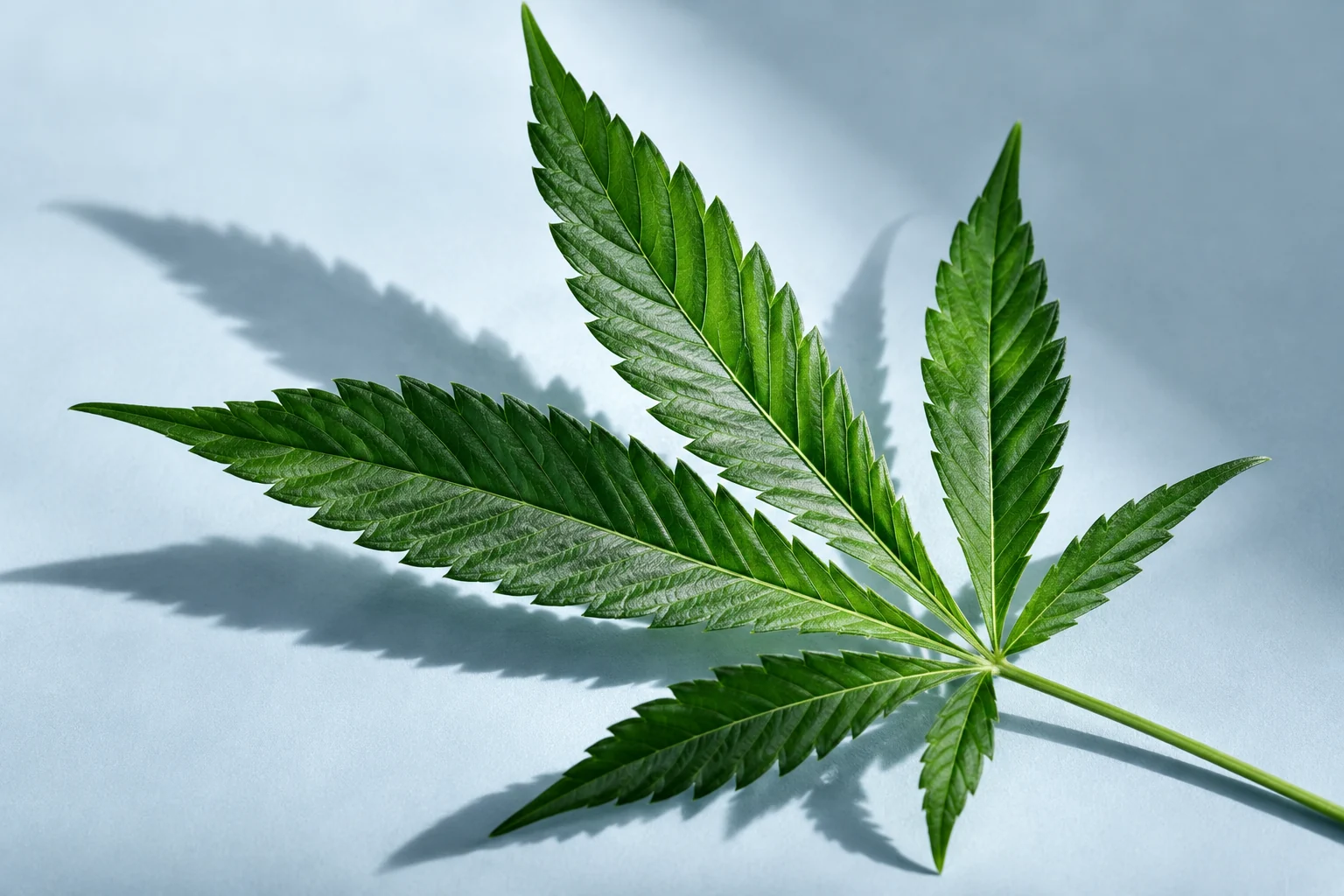
Start with the molecule
Cannabidiol, usually shortened to CBD, is a compound found in cannabis. It differs from THC, the compound primarily associated with a cannabis high. CBD itself does not produce that same high, but products sold as CBD may contain THC and other ingredients. [1]
Keep three questions separate when reading a claim: What is the ingredient? What exact product was studied? What health outcome was measured? A familiar ingredient name does not answer all three.
Where prescription evidence fits
The FDA-approved prescription CBD medicine Epidiolex treats seizures associated with Lennox–Gastaut syndrome, Dravet syndrome, or tuberous sclerosis complex. Its approval concerns a particular medicine and defined uses; it is not approval of the wider retail CBD market. [2]
When a product page points to a medical study, follow the link. Look for the actual preparation and patient group before accepting that the finding applies to the bottle being advertised. Similar branding is not evidence of equivalent treatment.
Turn curiosity into better questions
Write down what you want help with in everyday terms: waking repeatedly at night, discomfort on stairs, or anxiety before meetings. That makes a conversation more useful than a general request for “wellness.” Ask what evidence applies to that specific problem, which established options are available, and whether your medicines change the risk.
CBD can cause side effects and interact with medication. CDC identifies risks including liver damage, drowsiness, and digestive symptoms, and advises against use during pregnancy. [1] A clinician or pharmacist can help put those concerns in the context of your own health.
Our name invites a question. It is not a promise that CBD helps every condition. Start with the evidence, and allow the answer to be uncertain.
Sources & scope
Sources consulted September 12, 2026. This article explains selected evidence; it is not an exhaustive literature review. Practical reading questions and interpretations are our editorial guidance.